A website migration built for growth: The Good Roll story
Client
The Good Roll
Market
E-commerce
meet our Expert

Emma Smeulders
Team Lead SEO

A website migration built for growth: The Good Roll story
Executive summary
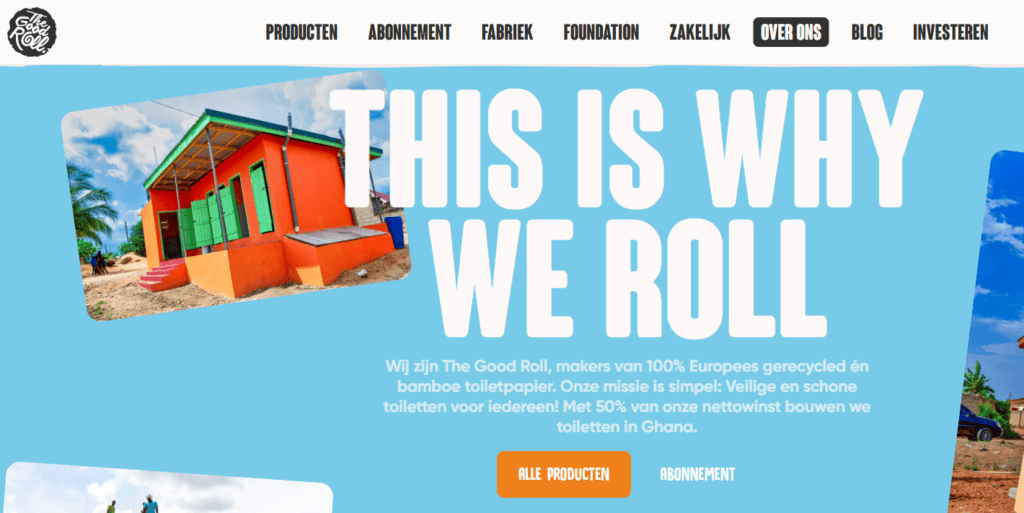
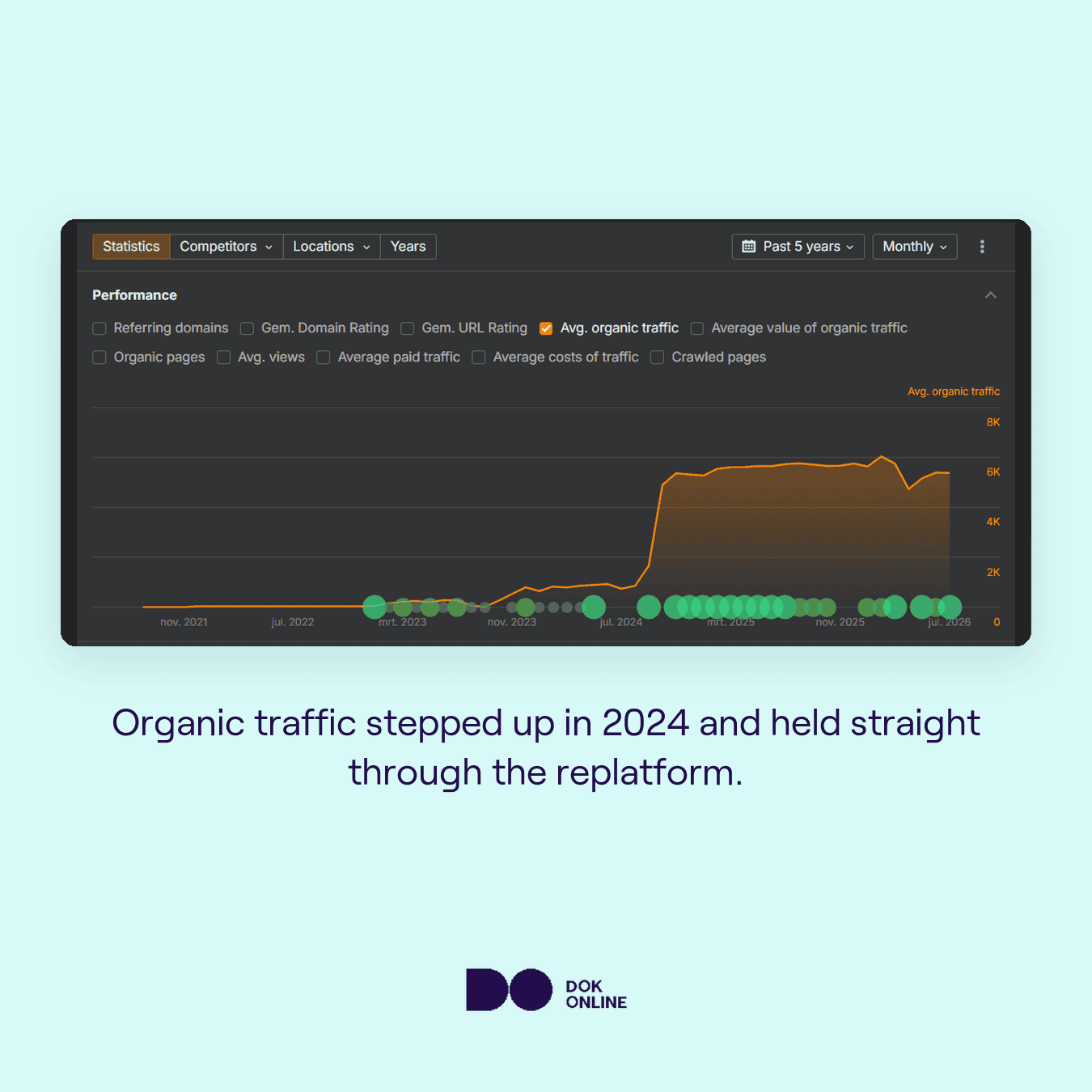
The Good Roll, a sustainable toilet-paper brand that funds sanitation projects with its profits, was moving to a new platform: a new CMS, a new server and a new URL structure, all at once. With more than 8,000 organic visitors a month, a rushed migration could have wiped out years of hard-won rankings overnight.
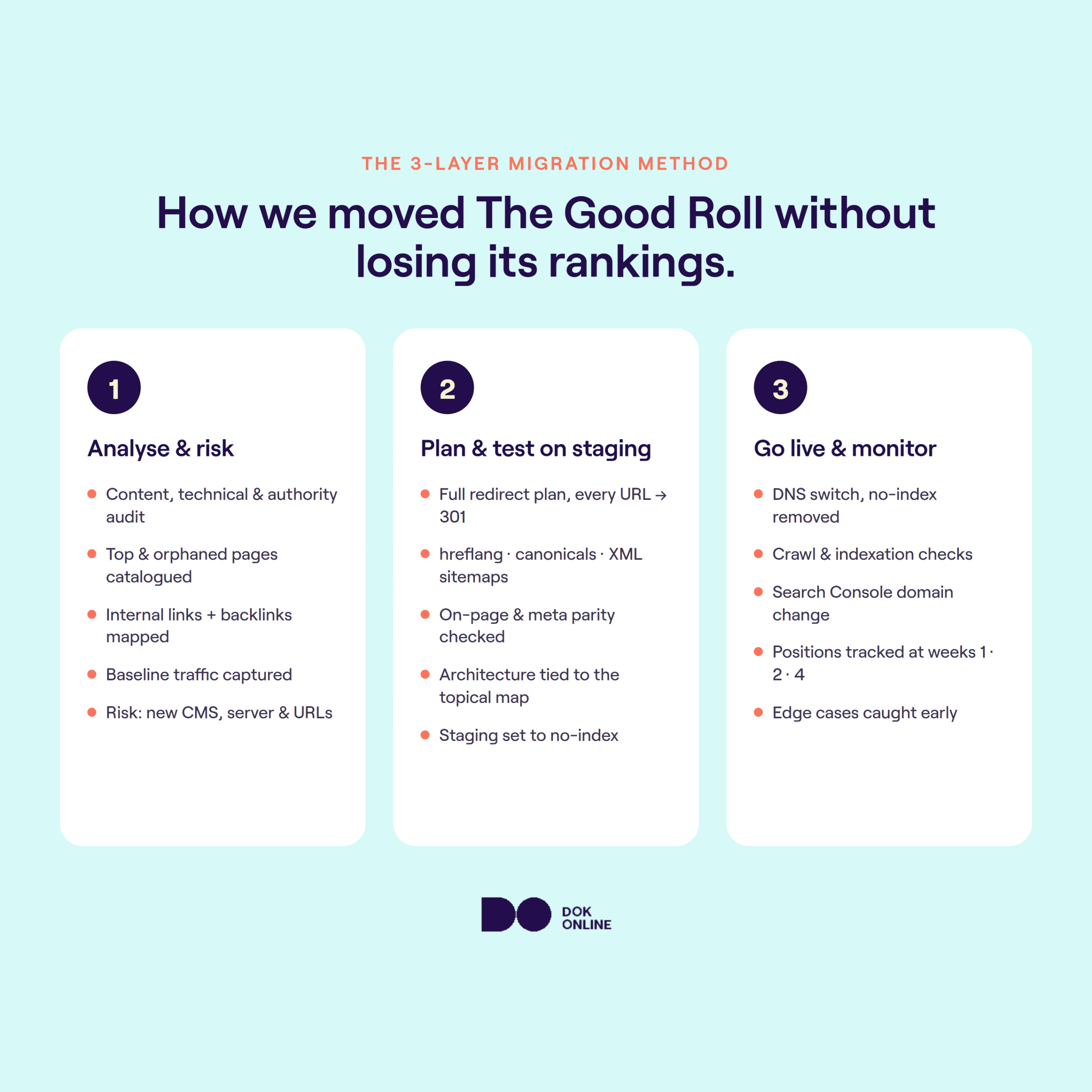
So we treated the move as a planned, staged process. We mapped what was at risk on the old site, built and tested the migration plan on a staging environment before go-live, and monitored rankings daily through the switch. The site came through the migration with its organic visibility protected, and it has kept climbing ever since.
Results
- Organic clicks grew more than 60% year on year on the new platform.
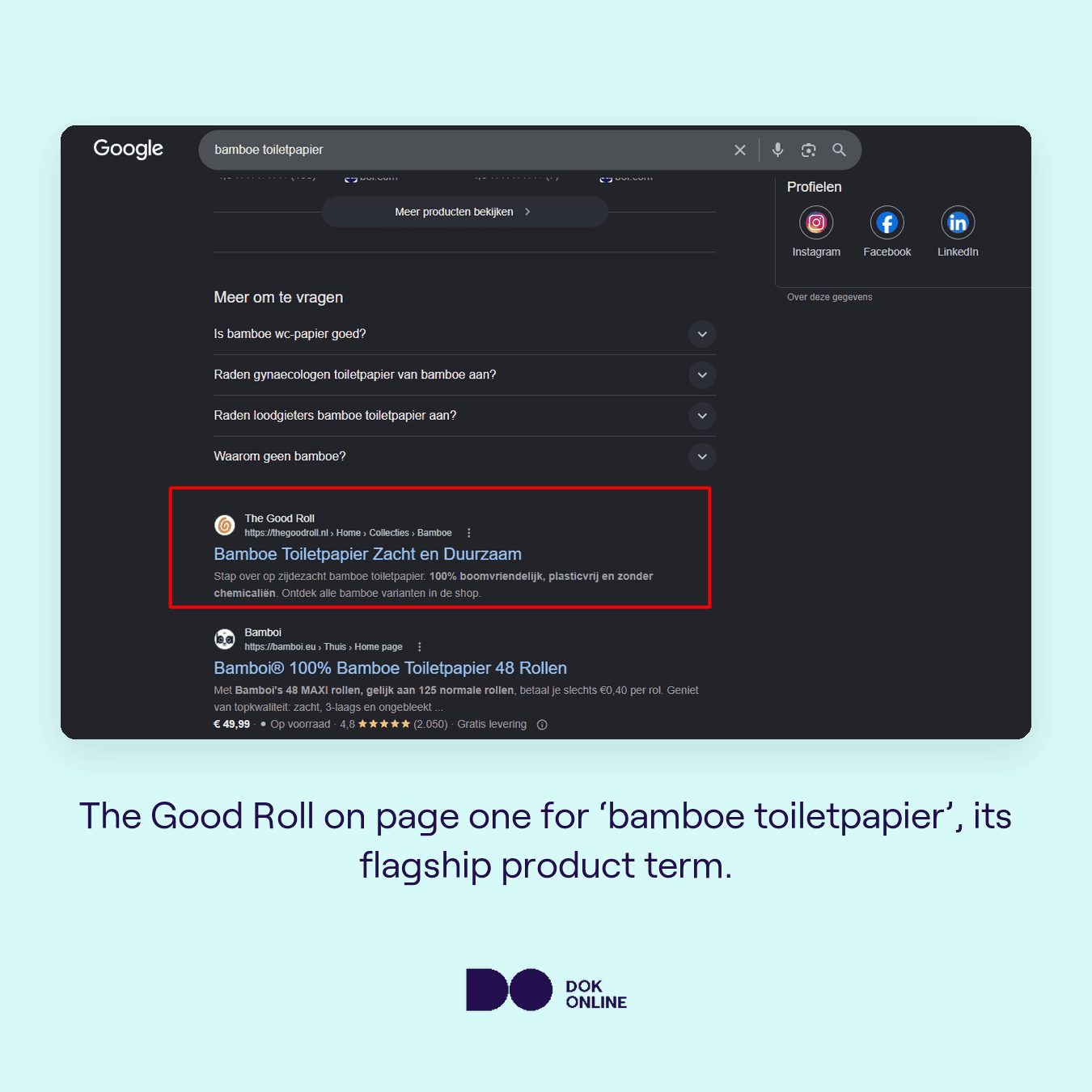
- Core terms climbed from page two onto page one, average position from around 18 into the top 10.
- The full replatform went live with its organic visibility protected, a clean base to grow from.
Our approach
We ran the migration in three layers, the method behind every SEO migration we run: understand what is at risk, prepare and test before go-live, then migrate under close watch. The goal was simple: change everything under the hood while the market noticed nothing.